

What Is New York Box Truck Insurance and Who Needs It?
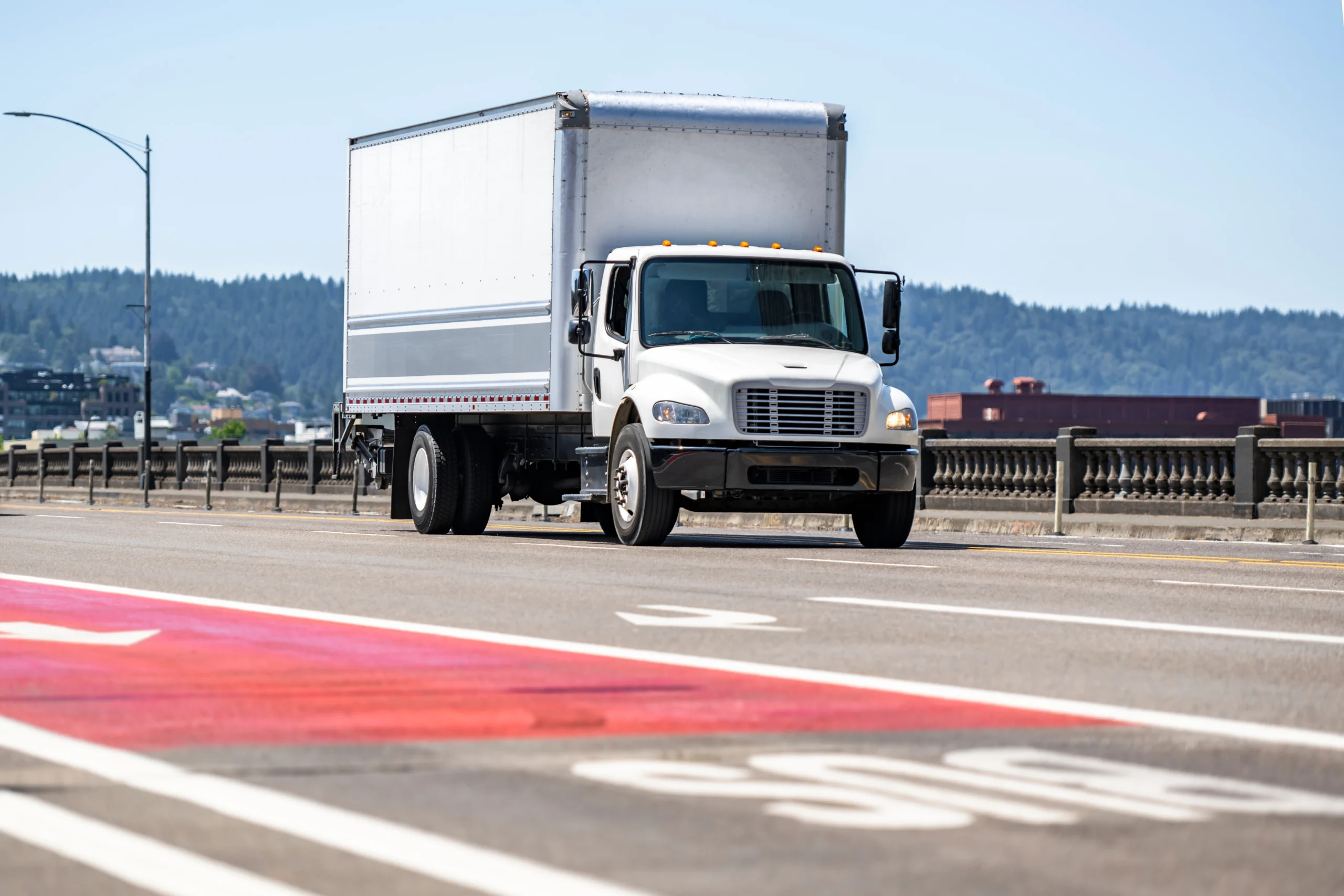
If you are running a delivery or freight operation anywhere in the Empire State, understanding your coverage is essential for keeping your wheels turning. Specialized box truck insurance is a tailored commercial vehicle policy designed to safeguard straight trucks, cargo vans, and box trucks against financial losses caused by collisions, cargo loss, property damage, and liability claims. Unlike standard personal or light business auto policies, this specialized coverage accounts for the heavy-duty demands, higher cargo values, and strict regulatory requirements associated with haulers.
So, who needs this protection? Anyone operating a box truck commercially in New York needs it—including independent owner-operators, last-mile delivery contractors for platforms like Amazon, local moving companies, appliance installers, furniture delivery teams, and regional freight dispatchers. Whether navigating gridlocks in NYC or taking long stretches up Interstate 87, having custom coverage ensures your business stays compliant and protected against the risks of the road.
Why Commercial Auto Isn’t Enough for Box Truck Operations in New York
You might wonder why a standard commercial vehicle policy will not cut it when operating delivery vehicles. Driving across New York presents a distinct set of challenges that off-the-shelf business auto policies are not built to handle. Box trucks carry unique physical profiles, significant blind spots, and heavy loads that drastically increase risk exposure compared to ordinary company cars. A single mishap on the Long Island Expressway or a tight maneuver on a crowded city street can cause substantial property damage and bodily injury claims.
Furthermore, New York operates under a no-fault system requiring mandatory Personal Injury Protection (PIP), while state DOT regulations enforce high liability thresholds—often starting at $750,000 Combined Single Limit for general freight. Standard commercial auto coverage often falls short of these freight-specific legal requirements, leaving business owners vulnerable to devastating lawsuits and operational shutdowns.
What Key Coverages Belong in Your Box Truck Insurance Policy?
Building a robust risk protection strategy means putting together the right combination of coverages tailored to your fleet and operations. A solid policy combines several layers of protection designed to keep your business secure:
- Primary Commercial Auto Liability: Pays for bodily injury and property damage caused to third parties. In New York, it includes required Personal Injury Protection (PIP) for medical bills and lost wages.
- Motor Truck Cargo Insurance: Protects the goods inside your box truck against theft, fire, transit damage, or destruction. If you operate refrigerated units (reefers), temperature breakdown endorsements protect perishable items from spoilage.
- Physical Damage Coverage: Includes collision coverage for vehicle repairs and comprehensive coverage for non-collision hazards like theft, vandalism, weather damage, or flooding.
- Uninsured Motorist Coverage: Protects your drivers and equipment if hit by an uninsured or hit-and-run driver on New York roadways.
- Non-Trucking Liability: Provides liability protection when operating off-duty or driving without a load outside of official dispatch instructions.

How Do Vehicle Weights and Licensing Impact Your Protection?
Navigating commercial vehicle regulations in New York often comes down to your vehicle’s Gross Vehicle Weight Rating (GVWR) and operating radius. Box trucks rated under 26,001 pounds GVWR typically do not require a Commercial Driver’s License (CDL) for non-hazardous operations, making them popular for local logistics and moving services. However, if your box truck reaches or exceeds 26,001 pounds GVWR, your drivers must hold at least a valid Class B CDL.
Additionally, if your routes cross state lines into New Jersey, Connecticut, or Pennsylvania, your coverage must satisfy federal FMCSA requirements, which demand higher liability limits and filings like Form E and Form H. Selecting the right policy ensures your coverage matches your weight classification without running into regulatory penalties or denied claims.
What Factors Influence Your Rates and How Can You Save?
When calculating premiums for box truck coverage, underwriters consider several key business factors that shape your overall risk profile:
- Garaging Location: Vehicles garaged in dense metro regions like NYC face higher premiums than those stored in upstate hubs due to traffic congestion and accident frequency.
- Driver Records: Maintaining clean Motor Vehicle Records (MVRs) and employing experienced operators significantly lowers annual rates.
- Cargo Type and Value: Hauling high-value electronics, hazardous materials, or refrigerated goods requires higher limits and specialized endorsements compared to dry freight.
- Safety Technology: Installing forward-facing dashcams, GPS tracking, and telematics systems can qualify your business for carrier safety discounts.
- Deductible Choices: Selecting higher deductibles on physical damage policies can help lower ongoing monthly premiums while maintaining essential protection.
How Can Upstate Insurance Agency Protect Your Fleet Today?
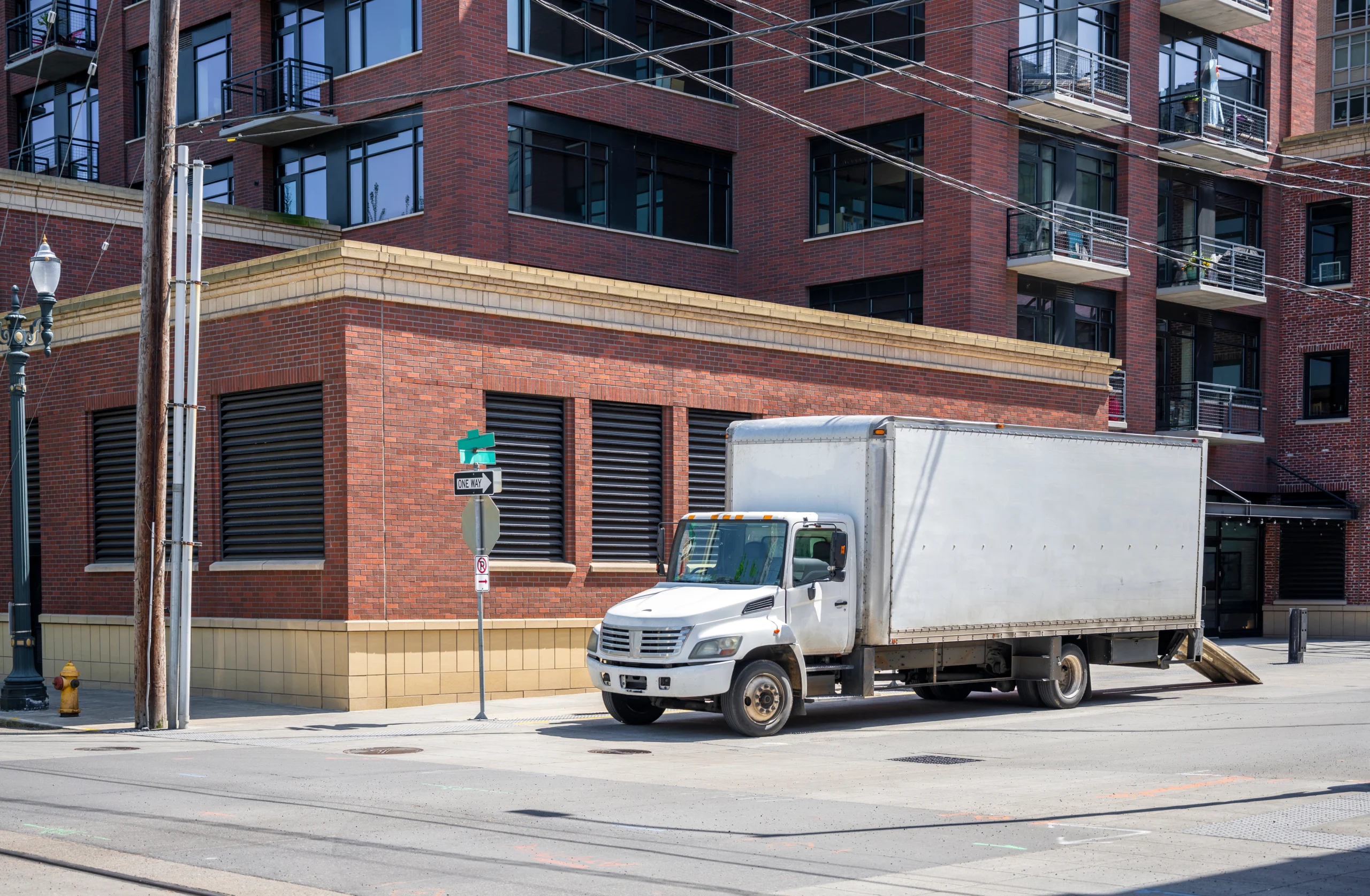
Navigating freight coverage and state compliance requirements in New York does not have to be overwhelming when you have an expert partner in your corner. Upstate Insurance Agency specializes in crafting customized, affordable commercial insurance packages tailored specifically for box truck operators, last-mile couriers, and logistics professionals across the state. Our team understands local roads, industry standards, and state DOT filings needed to keep your business moving forward.
Protect your drivers, cargo, and bottom line by connecting with our team online today to request a free quote and discover how simple getting the right protection can be.